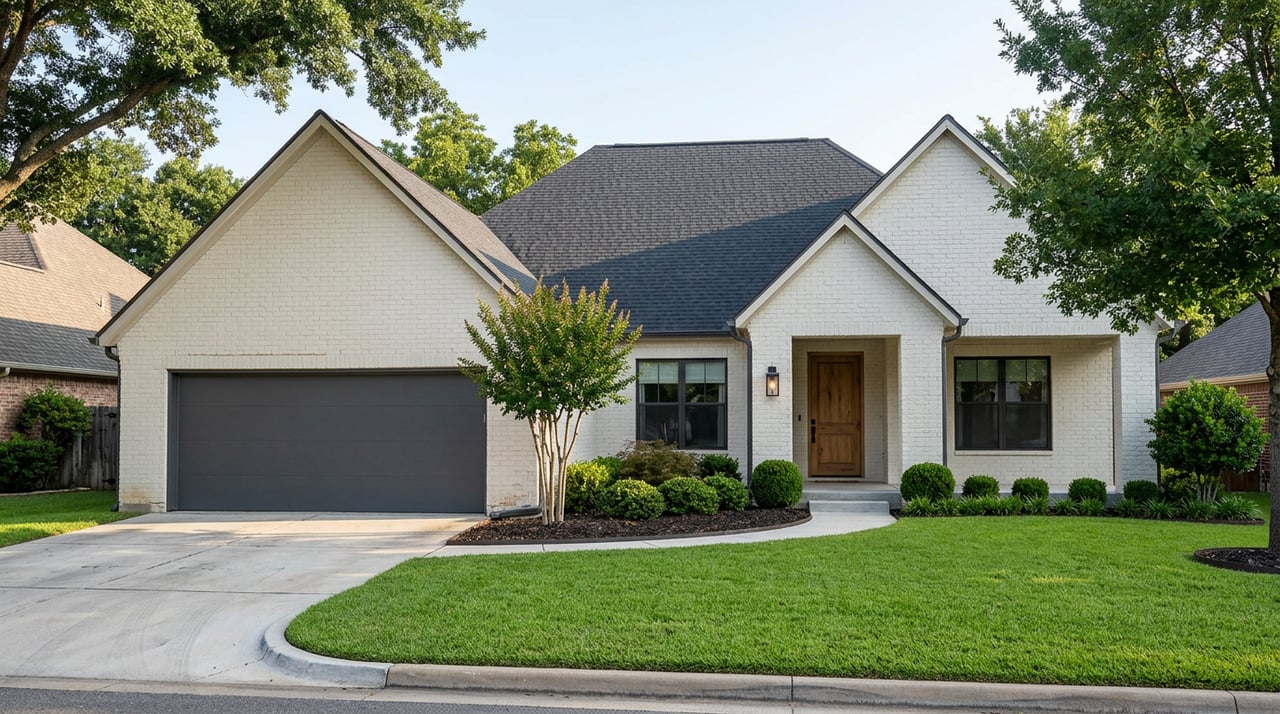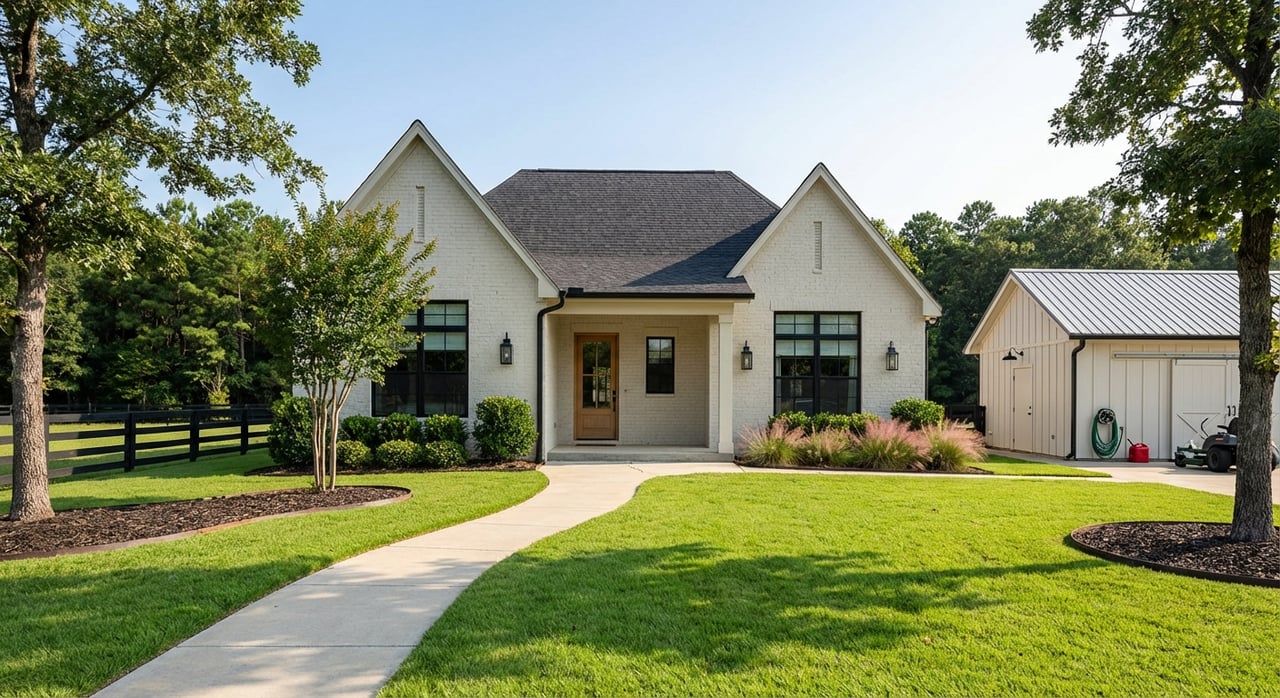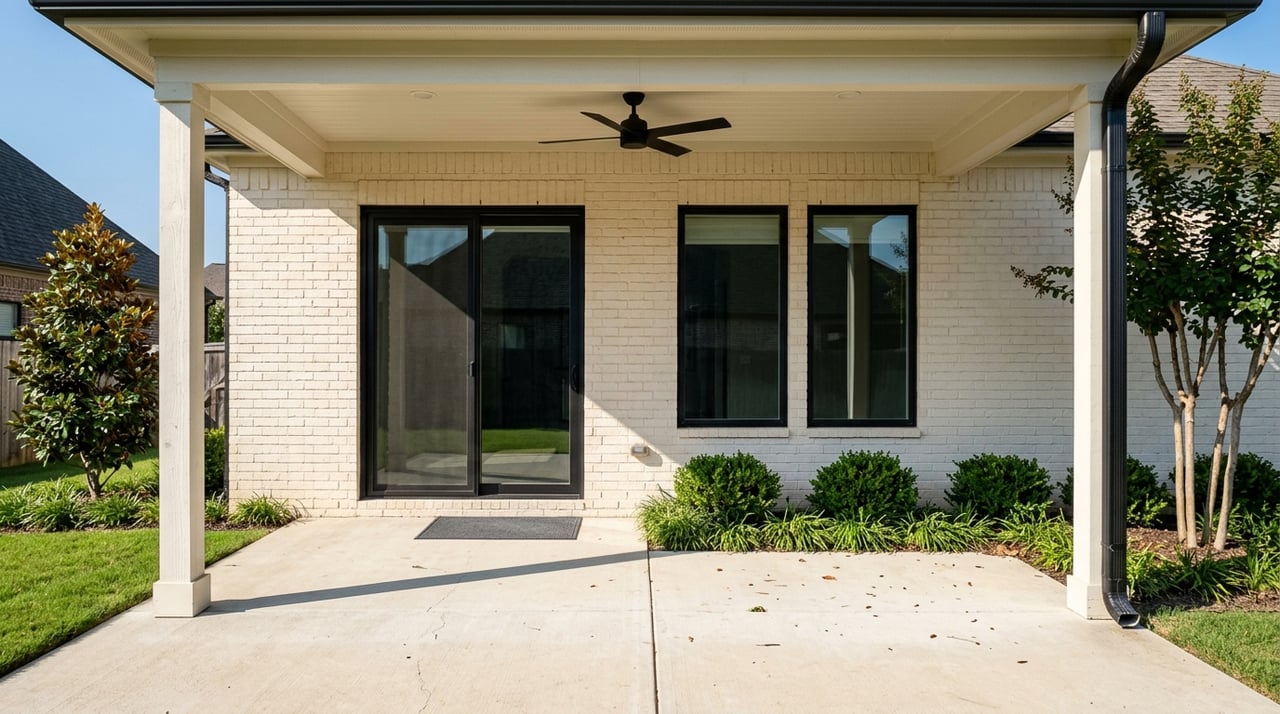
Looking at a single-family rental in Nash? You are not alone. Small investors often like towns like Nash because prices can be more approachable than larger markets, but a good rental still comes down to the basics: realistic rent, careful expense planning, and solid local due diligence. This guide walks you through what to watch, what numbers to review, and how to think about ownership in Nash before you buy or convert a home into a rental. Let’s dive in.
Start With Nash Rental Basics
Nash is an incorporated city in Bowie County, and the city provides key landlord-relevant information on utilities, public works, zoning, and permitting through the city website. That matters because owning a rental is not just about collecting rent. You also need to understand turnover logistics, utility setup, repairs, and any local approvals tied to improvements.
For a current market snapshot, Zillow’s Nash rental data showed an average asking rent of $1,250 as of January 26, 2026, with 13 available rentals and a listed range from $750 to $3,000. Zillow also showed Bowie County’s average rent at $1,134 as of February 28, 2026. Those figures are helpful as a starting point, but they are broad market snapshots, not a rent quote for your specific home.
On the ownership side, Zillow’s Nash home value snapshot put the average home value at $146,880 as of October 31, 2025, down 7.1% year over year. For investors, that can help frame rent-to-value conversations. Still, you should treat it as context rather than a valuation for any one property.
Estimate Rent the Right Way
If you want to know what rent you can charge in Nash, start with current listings first. Then compare homes with a similar bed and bath count, square footage, condition, lot style, and updates. A three-bedroom home with older finishes will not compete the same way as a recently updated home with stronger curb appeal.
The current Nash rental snapshot shows why details matter. Asking rents in the market include examples around $950, $1,250+, and $3,000, which suggests finish level and property type can move rent quite a bit. That is why broad averages are useful, but direct comparisons are more useful.
A smart rent estimate usually includes these steps:
- Review active Nash rentals with similar layouts and condition
- Compare nearby Bowie County rental trends for added context
- Adjust for updates, age, and overall presentation
- Consider whether the home will attract long-term tenants or a narrower renter pool
- Recheck the market before listing, since asking rents can change quickly
Build a Simple Rental Pro Forma
A rental can look great on paper until you account for the real monthly costs. Before you buy, build a simple pro forma that includes income, fixed expenses, likely maintenance, and vacancy planning. This helps you avoid basing a decision on rent alone.
The Consumer Financial Protection Bureau advises budgeting for maintenance, repairs, utilities, taxes, insurance, and HOA fees. In addition, Fannie Mae notes that a common rule of thumb is to set aside 1% to 4% of a home’s value per year for maintenance and replacements. That is not a guarantee of actual cost, but it is a useful planning tool.
Here is a simple framework you can use:
- Expected monthly rent
- Mortgage payment, if financed
- Property taxes
- Insurance
- Maintenance reserve
- Vacancy reserve
- Utilities you may cover during turnover
- Lawn, pest, or other recurring services if applicable
- Make-ready and leasing costs
For many small landlords, the biggest mistake is underestimating turnover and repair costs. Even if your tenant pays on time and takes care of the property, rentals still need smoke detector maintenance, security device upkeep, basic repairs, and occasional replacement items over time.
Plan for Utilities and Turnover
Turnover timing can affect cash flow more than many first-time landlords expect. In Nash, the city’s water utility requirements state that you need a lease agreement or deed, a government-issued photo ID, a completed service application, and a paid deposit before opening a new account. The residential rent-home deposit is $175, water bills are due on the 15th by 5 p.m., and same-day service may be available if documents are submitted by 4 p.m.
That means utility planning should be part of your turnover checklist. If a tenant moves out on short notice or your next lease does not begin right away, you may need to carry the utility account briefly to handle cleaning, repairs, and showings.
Nash also notes on its public works and utility page that residential trash pickup is included through the utility account, with pickup on Tuesday and Friday, plus seasonal dumpster, bulk, and limb pickup. For landlords, that can be helpful during cleanout and make-ready periods.
Review Flood and Site Risk Early
In Nash, flood and drainage review should be part of your early due diligence. According to the Bowie County 2023 hazard mitigation plan, Nash has 57 acres in the 100-year flood plain, a regulatory floodway, and two repetitive-loss structures.
This does not mean every property in Nash has a flood issue. It does mean you should check flood exposure, drainage patterns, and insurance considerations before you close. For a buy-and-hold investor, that review can affect both risk and monthly expense planning.
Know Texas Landlord Basics
If you plan to self-manage, you need a working understanding of Texas landlord rules. A few basics matter right away.
First, the Texas State Law Library explains that tenants generally cannot withhold rent simply because repairs are needed. For issues that materially affect health or safety, landlords must make a diligent repair effort after proper notice. That is one reason good maintenance systems matter so much.
Second, the Texas State Law Library’s security deposit guide notes that a landlord generally must return the security deposit, or an itemized list of deductions, within 30 days after the tenant vacates. Normal wear and tear cannot be deducted, and the tenant must provide a forwarding address to receive the refund.
Third, the Texas Attorney General states that landlords must provide required security devices and smoke detectors, and these are installed and maintained at the landlord’s expense. If you are budgeting only for visible repairs, you may miss some of the basic compliance costs that come with rental ownership.
If rent stops coming in, process matters. TexasLawHelp explains that Texas generally requires a written notice to vacate before an eviction case, and the deadline is usually three days unless the lease says otherwise. For lease drafting, evictions, and dispute questions, the Texas State Law Library says its staff can help locate legal information but cannot give legal advice, so landlords should still consult a Texas attorney or qualified legal aid when needed.
Check Permits Before Repairs
If you are buying a fixer-upper or planning upgrades before renting the home, do not skip the city review. Nash provides construction permitting and zoning information that includes contractor registration, land clearing permits, small-construction notices, and building permits.
This step matters whether you are making cosmetic updates or larger repairs. Before work starts, confirm what approvals may apply to your project. That can help you avoid delays, rework, or issues when preparing the property for a tenant.
Decide Whether to Self-Manage
Some Nash landlords do well with self-management, especially if they live nearby, have time to respond quickly, and already know reliable vendors. Others prefer to outsource the day-to-day work so they can focus on the investment itself.
According to Zillow’s property management overview, property managers may handle marketing, tenant screening, lease paperwork, rent collection, maintenance coordination, tenant turnover, and evictions. If you self-manage, those tasks stay on your plate.
A simple way to think about it is this:
| Option | Often Best For | Main Trade-Off |
|---|---|---|
| Self-managing | Local owners with time, vendor contacts, and comfort with rules | Saves management fees but requires hands-on work |
| Professional management | Owners who want help with screening, turnover, maintenance, and compliance | Less day-to-day stress but added cost |
There is no one-size-fits-all answer. The best option depends on how involved you want to be and how prepared you are for notices, maintenance calls, and turnover coordination.
Use a Practical Nash Buy Box
If you are searching for a rental in Nash, keep your buy box simple and realistic. Focus on homes that are easier to rent, easier to maintain, and easier to understand financially.
A practical small-investor checklist may include:
- Single-family homes with straightforward layouts
- Condition that matches your repair budget
- Rent potential supported by current listings
- Flood and drainage review completed early
- Insurance and tax costs verified
- Utility setup and turnover costs considered
- Permit needs reviewed before renovations
- Reserve funds in place for maintenance and vacancy
This kind of approach can help you avoid buying based on price alone. A lower-priced house is not always the better investment if the repair load, flood exposure, or turnover costs are much higher than expected.
Owning a single-family rental in Nash can make sense when you buy with clear numbers and a realistic plan. If you want help evaluating a property, comparing local comps, or finding a home that fits your rental goals in the greater Texarkana area, connect with Monica Kelley. Call us, we pick up.
FAQs
What rent can I charge for a single-family rental in Nash?
- Start with current Nash rental listings and compare homes with similar bed and bath count, size, condition, and updates. Broad market averages are helpful, but direct comps are more reliable.
How much should I budget for rental maintenance in Nash?
- A common planning approach is to reserve about 1% to 4% of the home’s value per year for maintenance and replacements, plus extra for turnovers and unexpected repairs.
What utility costs should landlords watch in Nash?
- Nash utility setup requires documents, a completed application, and a paid deposit, including a $175 residential rent-home deposit, so it is smart to plan for turnover timing and temporary utility carry costs.
What Texas rules matter most for new Nash landlords?
- Key basics include repair obligations for health and safety issues after proper notice, security deposit return timelines, and landlord responsibility for required security devices and smoke detectors.
Should I self-manage a single-family rental in Nash?
- Self-management often works best if you live nearby, have time, and understand the process. Professional management can be helpful if you want to outsource screening, rent collection, maintenance, and turnover coordination.