Want small-town quiet without giving up city jobs and amenities? If you live in Hooks, you can be in Texarkana in about the time it takes to finish a podcast episode. You get space, value, and a tight-knit community while keeping hospitals, shopping, and major employers within easy reach. In this guide, you’ll learn what the commute looks like, what housing options you’ll find, and how daily life flows when you live in Hooks and work or study in Texarkana. Let’s dive in.
Where Hooks fits in the Texarkana metro
Hooks sits on the western edge of the Texarkana area and has a small-city feel. The 2020 census counted roughly 2,518 residents, which matches what you feel on the ground: familiar faces and steady routines. Hooks, Texas offers a slower pace with quick access to I-30 for trips into the city.
Key takeaway: You can enjoy small-town life and still reach Texarkana’s jobs, hospitals, and retail in a short drive.
The commute: routes, time, and tips
Most commuters from Hooks head east toward Texarkana on I-30, merging near the Red Lick and Leary area. The non-stop drive is about 18 miles and commonly estimated around 20 to 26 minutes. Exact time depends on where you start in Hooks and where you land in Texarkana. Distance and drive-time estimators align with what local data shows.
Typical drive time
Local census estimates report a mean one-way travel time near 21.3 minutes for the Hooks area. That fits with the I-30 corridor reality for many workers whose jobs are on the Texarkana side. Use “about 20 to 30 minutes” as a planning window and build in some margin as needed. You can view the area commute stats on Census Reporter.
Traffic patterns and variability
Morning and evening peaks around 7–9 AM and 4–6 PM can add 10–20 minutes, especially if there is school traffic or highway work along I-30. If your destination is on the far east side of Texarkana, expect a few more minutes. The best test is real life. Drive your likely route at your usual hour on a weekday, then repeat once or twice to see a normal range.
Public transit reality
Day-to-day commuting from Hooks is primarily by private car. Texarkana’s fixed-route public buses (T Line) serve the metro area, but there is not a direct fixed-route commuter bus from Hooks into Texarkana. If you rely on transit, you would need to connect within the Texarkana service area or look at demand-response options where available. See the regional directory summary for coverage details in the public transportation overview.
Smart commuter tips
- Test-drive the route at your real commute time on two different weekdays.
- If your employer allows, consider a slightly earlier or later start to skip peak periods.
- Explore carpools with coworkers who live along the I-30 corridor.
- Keep an eye on scheduled highway work and leave a few minutes early on those days.
Housing in Hooks: what you’ll find
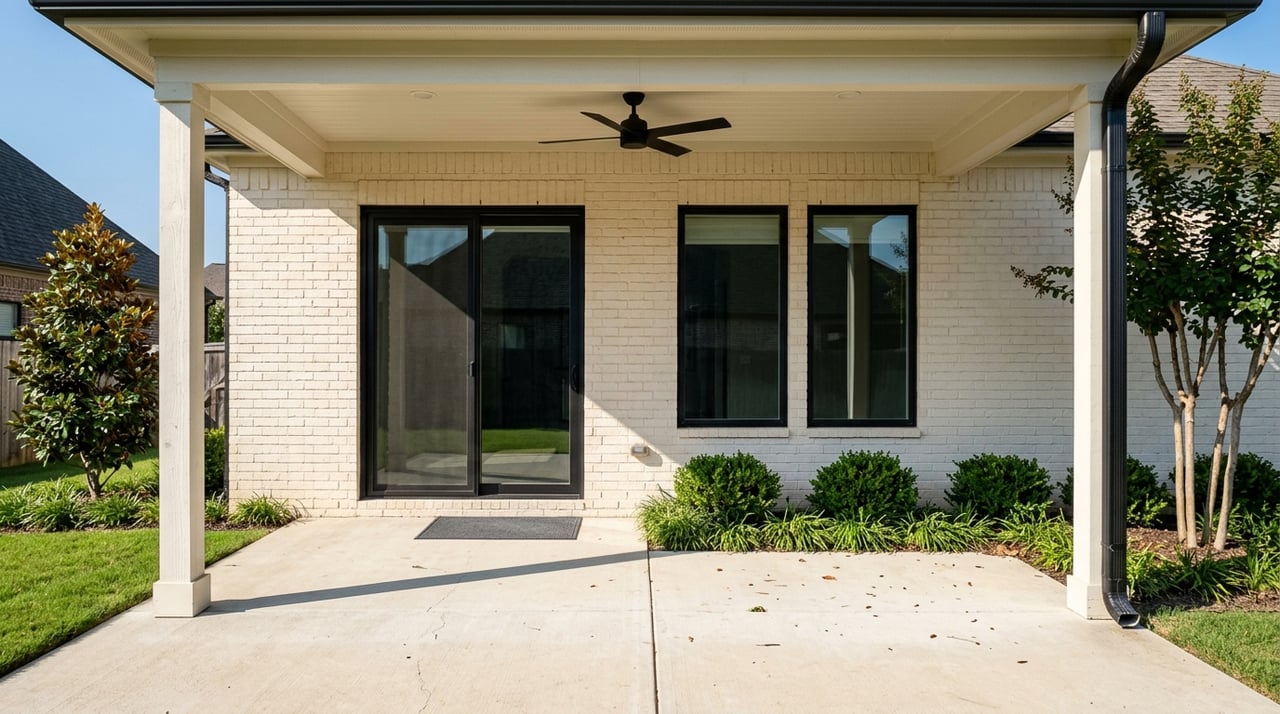
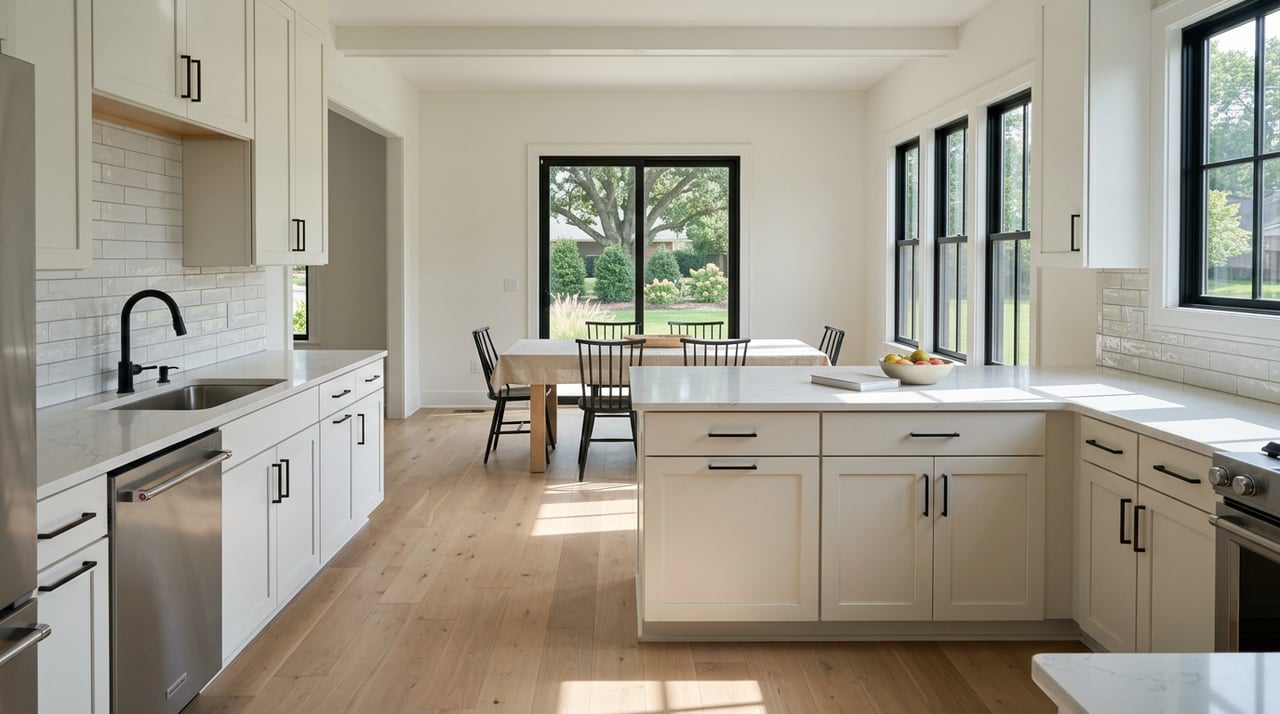
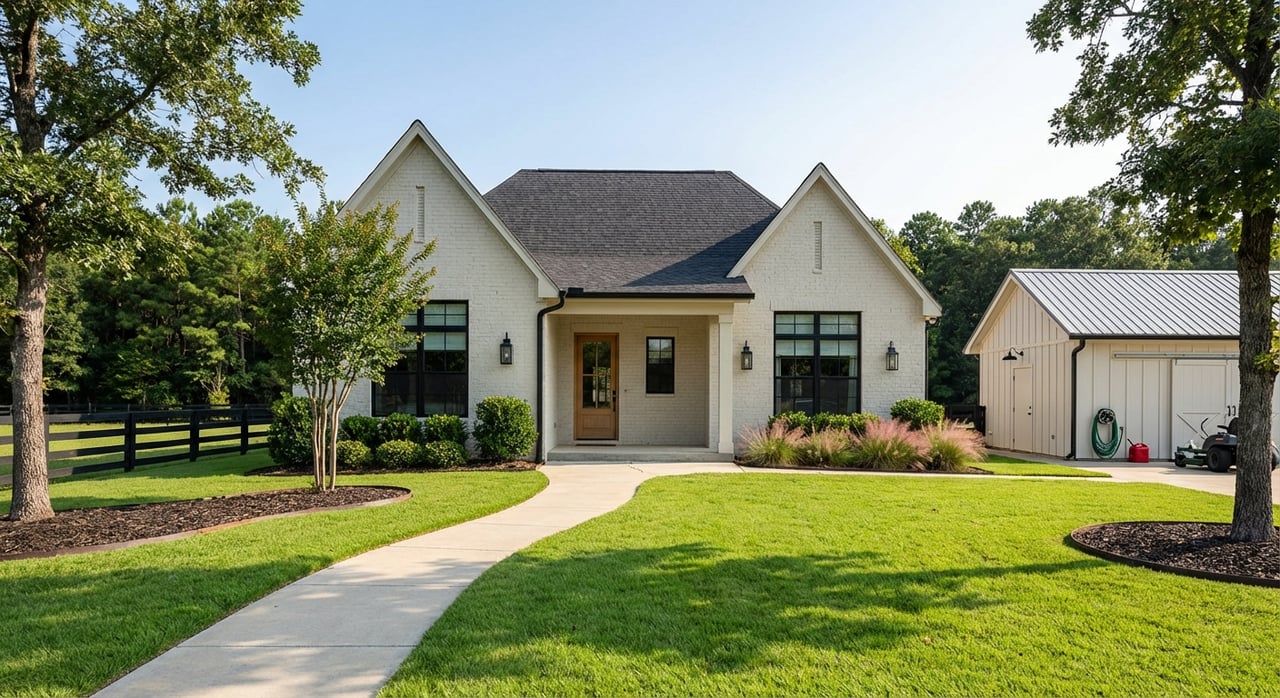
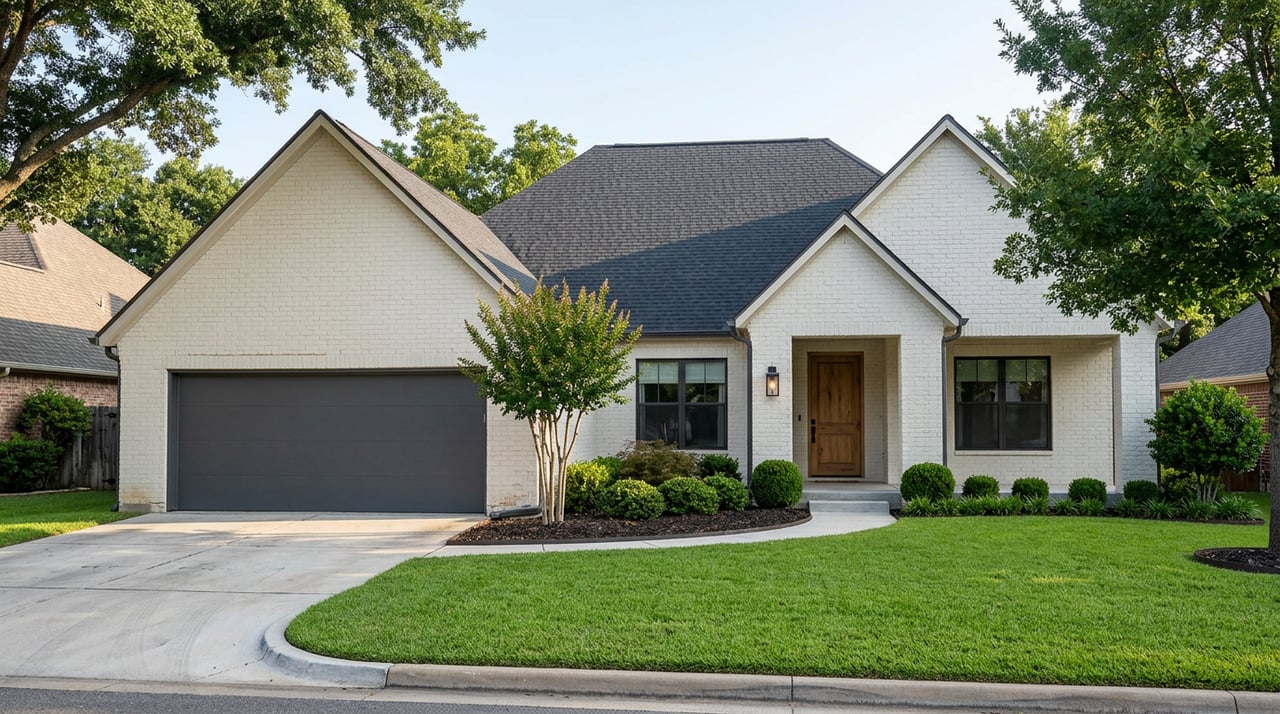
Hooks offers a range of home types at approachable prices. You’ll see single-story ranch homes in established neighborhoods, manufactured homes on small lots, barndominium-style builds, and properties on 1–5 acres or more for hobby uses. Newer construction appears in pockets, often with workshops or sheds that make rural living practical.
For a price baseline, the median value of owner-occupied homes in the Hooks area is about $128,200 according to Census Reporter. Actual listing prices will vary by condition, acreage, and updates. Many buyers choose Hooks to trade a bit of drive time for more land, lower entry price, and a less dense neighborhood setting.
What this means for you
- You can often stretch your budget farther in Hooks compared to busier suburban spots.
- If you want a shop, space for projects, or room to spread out, you’ll find options here.
- Plan for the 20–30 minute commute, and you get Texarkana’s job market and services close at hand.
Schools and education options
Hooks Independent School District serves local students with Hooks Elementary, Hooks Junior High, and Hooks High. To learn about transportation, calendars, and programs, start at the Hooks ISD site. Many households also tap nearby higher-ed options on the Texarkana side, including Texarkana College and Texas A&M University–Texarkana. These schools offer pathways for dual credit, workforce training, and four-year degrees within an easy commute.
Why Texarkana works for Hooks commuters
Texarkana’s job base pulls daily commuters from towns like Hooks. Major employment sectors include healthcare, education, manufacturing, government and defense, and regional retail. A quick overview of employers and the local economy appears on the Texarkana, Texas page.
Healthcare is a common destination, both for work and specialty care. Two key facilities in the city are Wadley Regional Medical Center and CHRISTUS St. Michael Health System. You can confirm the Wadley campus location on MapQuest, and CHRISTUS St. Michael’s address appears in this state project filing. If you work in healthcare or need regular appointments, both are within a straightforward I-30 drive from Hooks.
On the retail side, the I-30 and Richmond Road corridor hosts big-box stores, restaurants, and services. Many Hooks residents do grocery runs, pharmacy pickups, and weekend errands there, bundling trips with the work commute to save time.
Daily life from Hooks
Most weekdays follow a simple rhythm: home in Hooks, a short I-30 drive in and out of Texarkana, and errands near your workplace. Evenings and weekends give you room to breathe. You can enjoy yards and outdoor space, then head into the city for specialty shopping or events when you want them.
If you have school-age students, local routes to Hooks campuses keep mornings manageable. For adult learners or teens in dual-credit tracks, Texarkana’s colleges are practical commute destinations.
Is Hooks right for you? A quick checklist
Consider Hooks if you:
- Prefer a small-town setting with an easy route to city jobs.
- Want more space or acreage options without a luxury price tag.
- Are comfortable with a 20–30 minute one-way drive, with some variability.
- Need proximity to hospitals, higher education, and a strong retail corridor.
- Value a local school district and community-centered activities.
How to test the move
- Map your exact route and drive it at your normal hours two or three times.
- Track your door-to-door time both ways, including parking and building entry.
- Review the Hooks commute and housing value baselines on Census Reporter.
- Check for any changes in regional transit options using the public transportation overview.
- Build a weekly plan: batch errands near your Texarkana destination to save extra trips.
Ready to explore homes that fit your budget and commute goals? Reach out to Monica Kelley for a local game plan that covers neighborhoods, timing, and negotiation strategy.
FAQs
How long is the commute from Hooks to Texarkana on most days?
- Plan for about 20 to 30 minutes one way via I-30, with non-stop estimates around 20–26 minutes and peak periods adding time; see distance estimates and local averages.
Is there a direct public bus from Hooks into Texarkana for work?
- No; the Texarkana fixed-route network operates within the metro area, and there is not a direct fixed-route commuter bus from Hooks, so most residents drive or carpool (see the regional transit overview).
What types of homes are common in Hooks, TX 75561?
- You’ll find ranch-style single-family homes, manufactured homes on small lots, newer builds with shops, and properties on 1–5+ acres suited for projects or hobby uses.
What is the median home value in the Hooks area?
- A useful baseline is the median value of owner-occupied homes around $128,200 in the Hooks census area; see Census Reporter for details.
Which hospitals are common commute destinations for Hooks residents?
- Wadley Regional Medical Center and CHRISTUS St. Michael Health System are primary facilities in Texarkana; view locations via Wadley on MapQuest and CHRISTUS address on a state filing.
What job sectors draw Hooks residents into Texarkana?
- Many commute for healthcare, education, manufacturing, defense/government, and retail roles; see the Texarkana economy overview for sector context.