Are you outgrowing your home in Atlanta, Texas, but not sure how to line up the sale of your current place with the purchase of your next one? You are not alone. In a small market like 75551, timing, pricing, and financing all matter more because the pace is measured and inventory is unique. This guide walks you through local market context, buy-versus-sell strategies, financing options, Texas forms, taxes, and a simple step-by-step plan so you can move up with confidence. Let’s dive in.
Atlanta, TX market snapshot
Published data for 75551 in late 2025 show a steady, slower-paced market compared with big metros. Realtor.com reported a median listing price near $234,000, roughly 175 active listings, a median 118 days on market, and sale-to-list prices around 99%. Redfin’s recent-month sale median came in much lower in a tiny sample, with homes selling in about 89 days, which highlights how small monthly counts can swing the numbers. Zillow’s home value index for the area sits around $161,000, which uses a different method than a simple median.
Here is what that means for you. In a small market, different sites report different numbers because of low sales volume and different methodologies. Take online stats as helpful signals, not the final word on your home’s value. Before you pick a path, ask for a property-specific CMA and a net sheet so you know what you can bring to your next purchase.
Choose your move-up path
Sell first: lower risk, more certainty
Selling first can reduce risk and simplify your budget. You use your sale proceeds for the down payment on your next home, which keeps carrying costs low. The tradeoff is temporary housing or a rent-back while you shop.
- Pros: Clear budget, stronger down payment, no double mortgage.
- Cons: You may need a short-term rental or a rent-back.
- Tip: In Texas, you can use the standard Seller’s Temporary Residential Lease to arrange a post-close rent-back so you have time to move after closing. Review the Seller’s Temporary Residential Lease for how rent, deposits, insurance, and move-out dates are handled.
Buy first: more control, higher carrying costs
Buying first lets you shop without pressure and move once. This path usually requires strong equity, cash, or short-term financing like a bridge loan or HELOC. A bridge loan can free up equity for your down payment, but it typically costs more and adds underwriting requirements.
- Pros: One move, more negotiating flexibility on your purchase.
- Cons: Higher carrying costs and stricter approval.
- Tip: Learn how bridge loans work and what lenders look for in this overview from Experian: What is a bridge loan.
Contingent offer: middle ground with limits
You can make your purchase contingent on the sale of your current home. This is common in balanced markets but can be less competitive if the target home has multiple offers. In Texas, buyers use the Addendum for Sale of Other Property to spell out deadlines and what happens if your home does not sell in time.
- Pros: Reduces double-carry risk, keeps cash needs lower.
- Cons: Weaker in competitive segments and sellers may prefer non-contingent offers.
- Tip: Review the TREC Addendum for Sale of Other Property by Buyer to understand notice periods and how a seller can accept a backup offer.
Run your net proceeds and equity
Before you choose a path, get clear on your net. That means estimating what you will walk away with after your sale.
- Request written mortgage payoff(s) with a good-through date from your servicer.
- Estimate a realistic sale price using a local CMA for similar homes.
- Subtract your costs: mortgage payoff, commissions and closing costs, prorated property taxes, any liens, and an allowance for known repairs or concessions.
Typical seller closing costs, including commissions, often total about 6% to 10% of the sale price in many markets. Excluding commissions, direct seller closing costs commonly run around 1% to 3%. Your actual figures will vary by contract terms, service providers, and new MLS rules. The goal is to produce a simple, honest net sheet so you know what cash you can use on the next home and what to keep in reserves.
Finance your next home with confidence
If you buy before you sell, plan your cash and approvals early. Talk with your lender about:
- Bridge loan: Short-term, higher-cost financing that taps your current equity to fund a down payment. It can help you avoid a home-sale contingency. See Experian’s explainer for pros, cons, and qualification basics.
- HELOC: If you have strong equity, a HELOC can fund upgrades or part of your down payment. Timing and underwriting matter, so start early.
- Standard pre-approval: Even if you plan to sell first, a strong pre-approval improves your position on the buy side. Ask your lender to run scenarios for sell-first, buy-first, and contingent offers.
A good rule of thumb when buying before selling is to plan for a cash reserve covering several months of PITI and any bridge or HELOC interest until your sale closes. Your lender will confirm exact reserve needs.
Texas tools and timelines
Most financed transactions in Texas take about 30 to 45 days from contract to close when appraisal, title, and underwriting move on schedule. See this overview of closing timelines for consumers: How long does it take to close. If your two closings cannot align perfectly, you have options.
- Leaseback after you sell: Use the TREC Seller’s Temporary Residential Lease to stay in your home after closing while you finalize your next purchase.
- Contingent purchase: Use the TREC Addendum for Sale of Other Property by Buyer to protect your purchase while your current home sells.
- Backup offers: If you are selling and have a contingent buyer, your listing can accept a backup offer using standard TREC notices to keep momentum.
Prep your home for top dollar
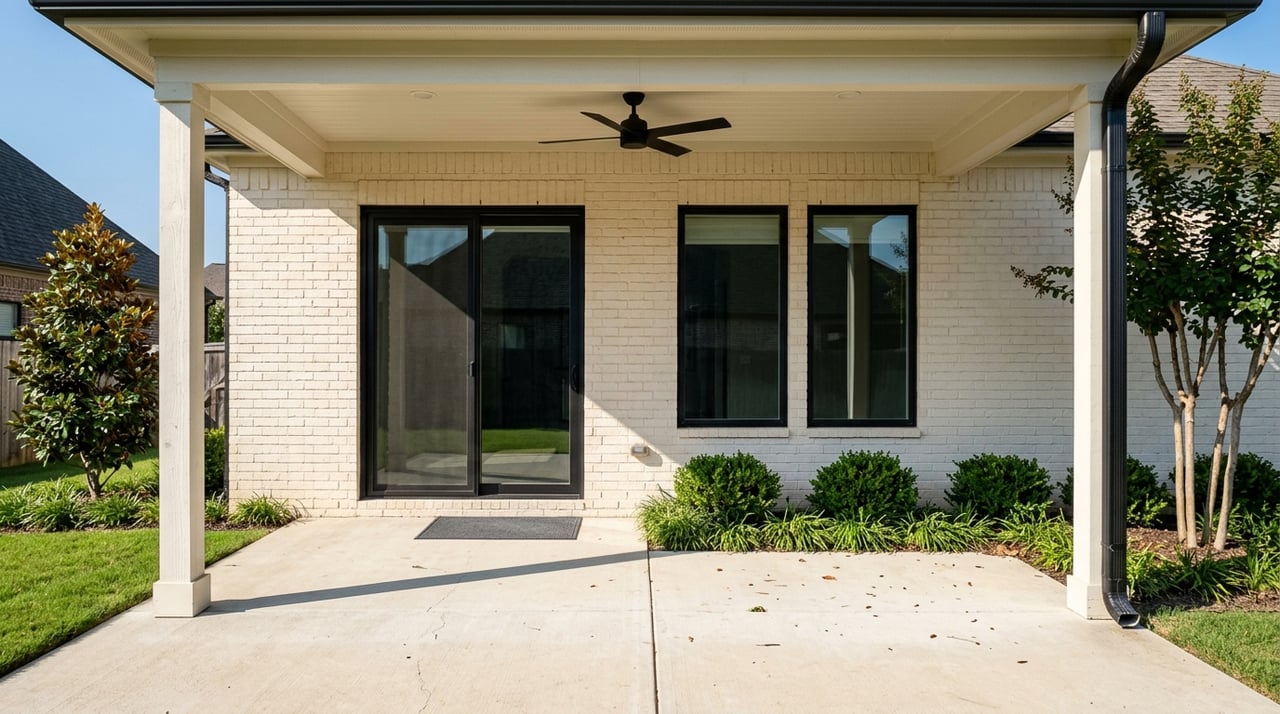
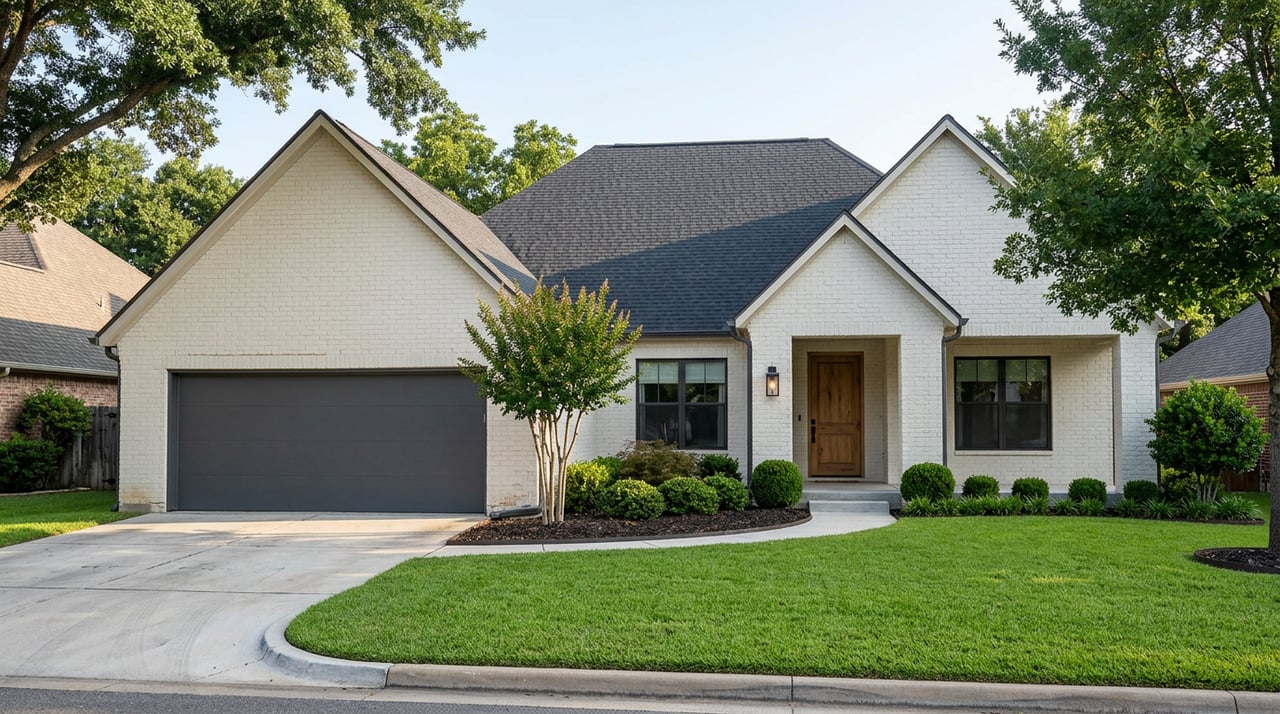
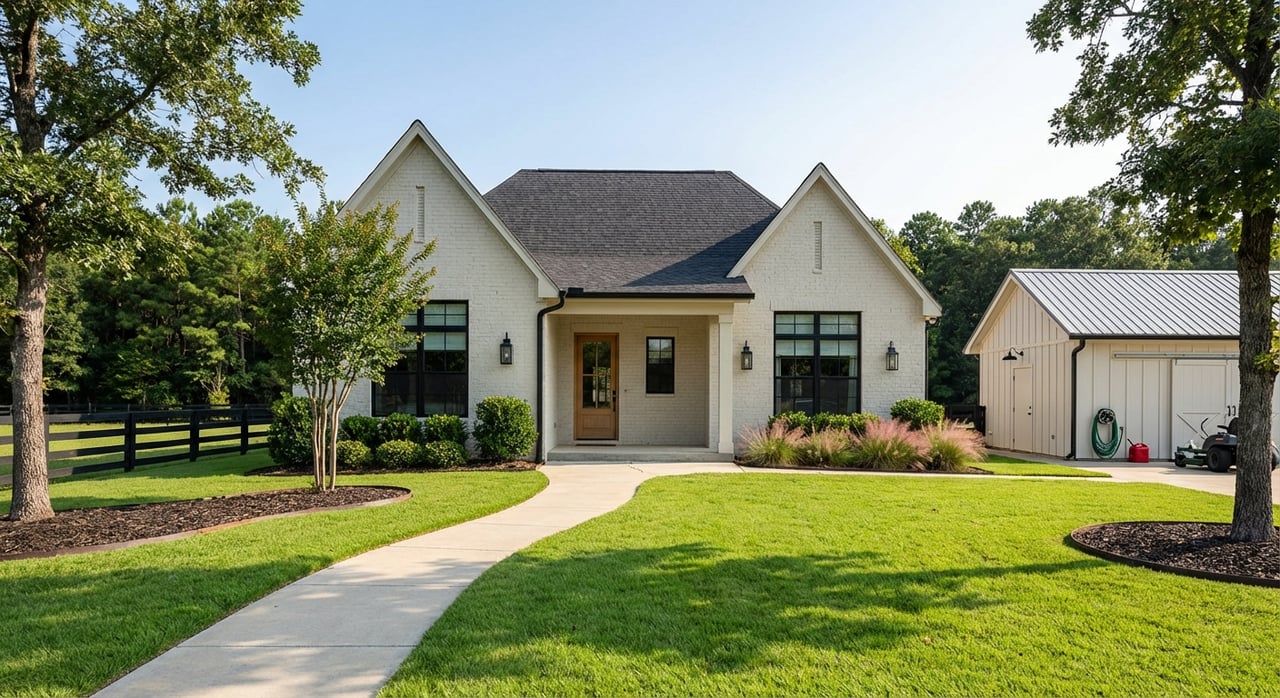
In smaller markets, the right pricing and presentation usually beat major remodels. Focus on curb appeal, minor kitchen refreshes, and visible fixes that help your home show well in photos and in person. National Cost vs Value data consistently rank modest exterior improvements, like refreshed entry doors and garage doors, among the best near-term returns. Explore the latest findings in the 2025 Cost vs Value Report.
Keep showings simple and neutral. Deep clean, declutter, touch up paint, and address easy maintenance items. In 75551, buyers often compare single-family homes with rural acreage options, so clear property photos and accurate lot details help you stand out.
Cass County taxes, exemptions, and your payment
Property taxes and exemptions affect both your net proceeds and your monthly payment on the next home. Use the Cass County Appraisal District to look up your property record, check for any liens, and confirm your current appraised value and exemptions. For statewide guidance on homestead rules and other property-tax topics, see the Texas Comptroller’s resources here: Property tax newsletter update. Timing matters, so review exemption deadlines early in your plan.
If schools are part of your decision, Atlanta ISD serves the local area. Independent rating sites show Atlanta Elementary with a strong score, which can support buyer interest. You can review a summary on GreatSchools and confirm attendance boundaries directly with the district.
Your step-by-step plan
- Get a local CMA and net sheet. Ask for three pricing scenarios and timelines.
- Request mortgage payoff(s) and review title. Confirm any liens or HOA items.
- Meet with a lender. Secure pre-approval and review bridge or HELOC options if you plan to buy first.
- Choose your path. Decide sell-first, buy-first, or contingent based on equity, reserves, and target inventory.
- Prep, price, and list. Prioritize high-ROI touch-ups and great photography.
- Align dates. Use TREC forms for contingencies, leasebacks, and backup offers when needed.
- Close, then move. Coordinate movers, utilities, and any temporary housing or rent-back.
Moving up in Atlanta, Texas can be smooth with the right plan. When you pair a realistic CMA, clear financing, and Texas-standard forms, you can protect your budget and your timeline while you land the home that fits you now. If you want a custom move-up strategy for 75551, reach out to Monica Kelley. Call us — we pick up.
FAQs
In Atlanta, TX, should I buy first or sell first?
- It depends on your equity, cash reserves, and the specific homes you want. A CMA and lender pre-approval help you compare sell-first (lower risk) vs buy-first (more control, higher carrying costs) vs a contingent offer using the TREC addendum.
How long do Texas closings usually take?
- Many financed purchases close in about 30 to 45 days when appraisal and underwriting stay on schedule. See a consumer overview of timelines here: How long to close.
What if my Atlanta, TX home does not sell on time?
- You can extend a rent-back using the TREC Seller’s Temporary Residential Lease, reduce price or adjust terms to attract buyers, or budget for extra bridge or HELOC interest if you already bought.
How much cash should I keep in reserve if I buy first?
- Plan for several months of PITI plus any bridge or HELOC interest until your current home sells. Your lender will confirm exact reserve needs. Learn bridge-loan basics here: Experian bridge loan guide.
Which updates pay off best before I list in 75551?
- Focus on cost-effective, high-visibility items like curb appeal, entry and garage doors, and light kitchen refreshes. The 2025 Cost vs Value Report highlights which projects return more at resale.
How do Cass County taxes and exemptions affect my move-up budget?
- Taxes impact both your net proceeds and your new payment. Verify your record with the Cass County Appraisal District, then review homestead and other rules via the Texas Comptroller: property tax update.